Kölle Alaaf, Alaaf!

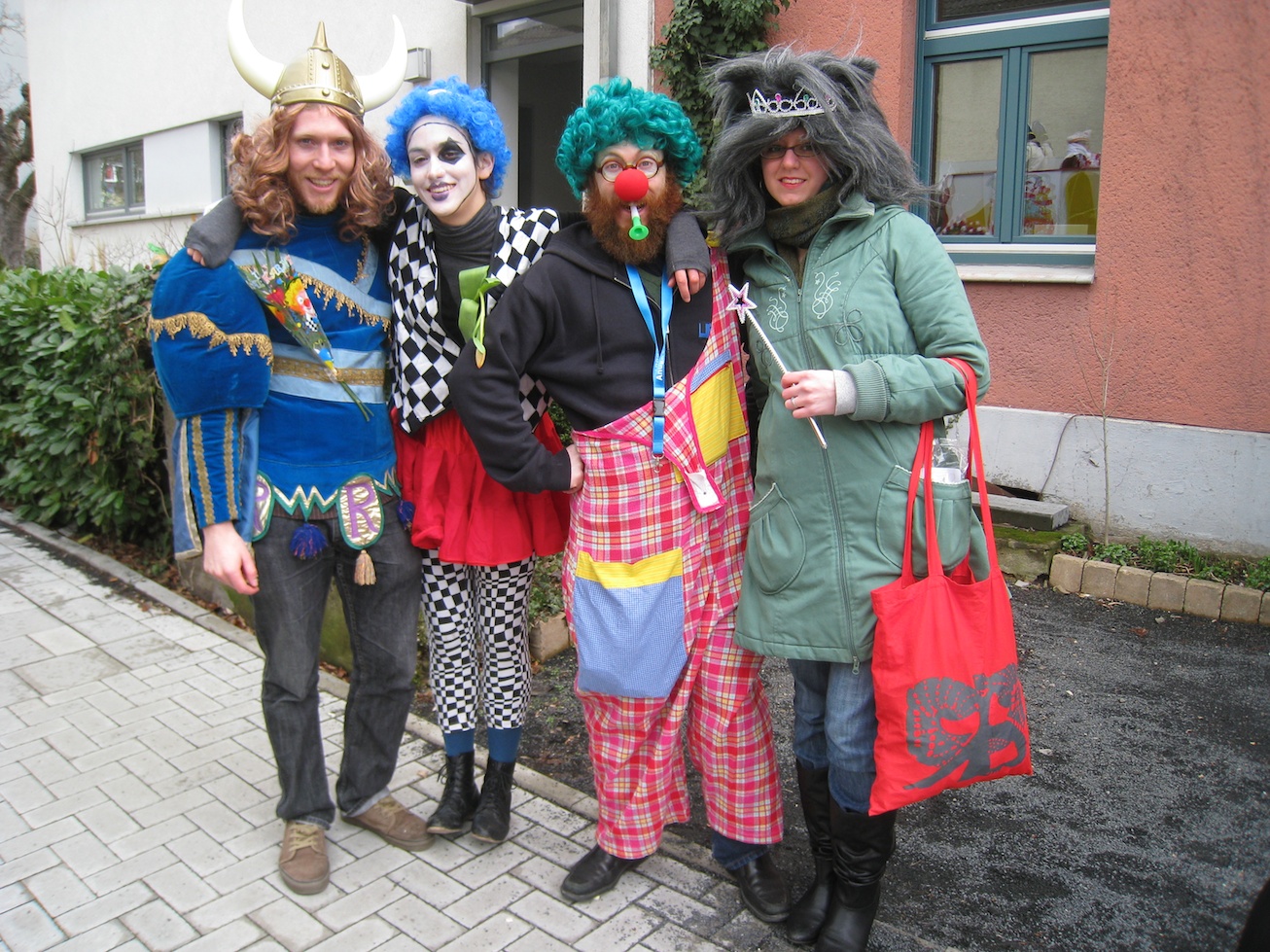
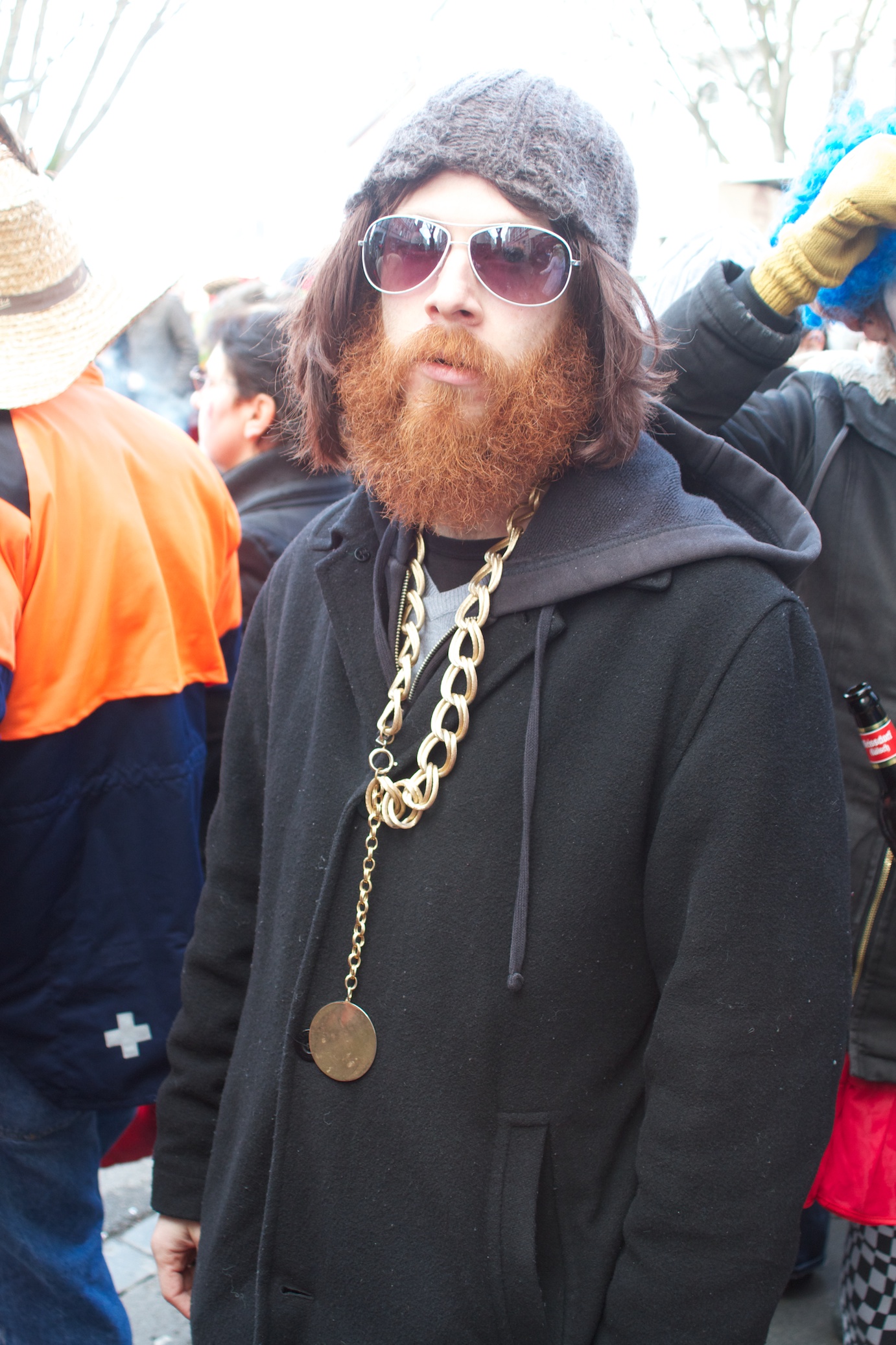
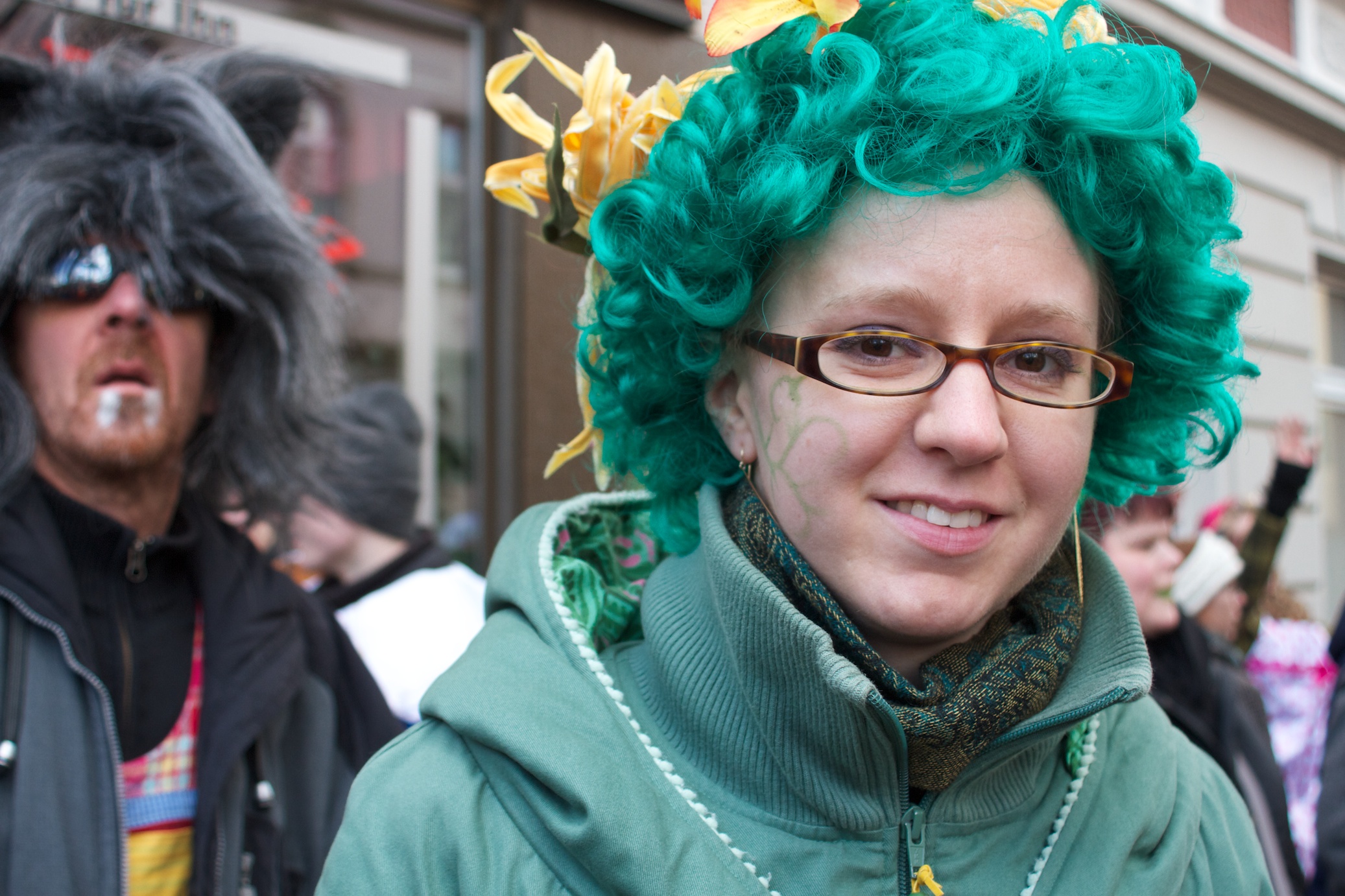
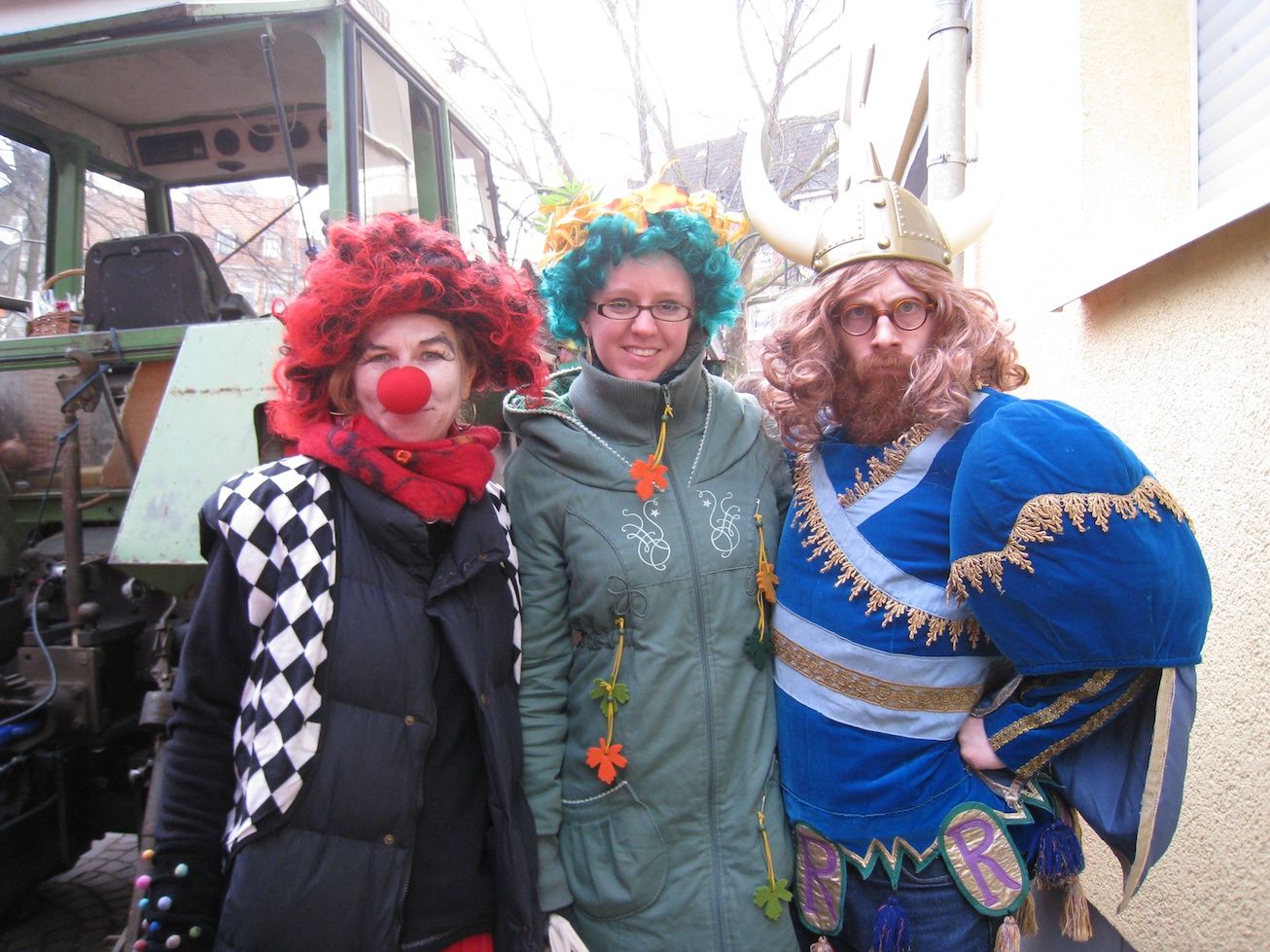
Wow. Though we were in Cologne for Karneval (Carnival/Mardi Gras/Etc) four years ago, we were only in town for a day or two and didn’t really experience much of Kölner Karneval. This year, we took the train down and arrived in the city on Saturday – the height of party time. The city goes absolutely nuts – drinking, singing (and more singing), crazy costumes- generally fighting off the cold and grey any way possible. Karneval time in the Rhineland is a little like Halloween in the States in that people get dressed up and there’s a lot of candy given out (though here it’s at 3-hour long parades where you have sweets thrown at you by old men dressed up as Napoleonic soldiers).

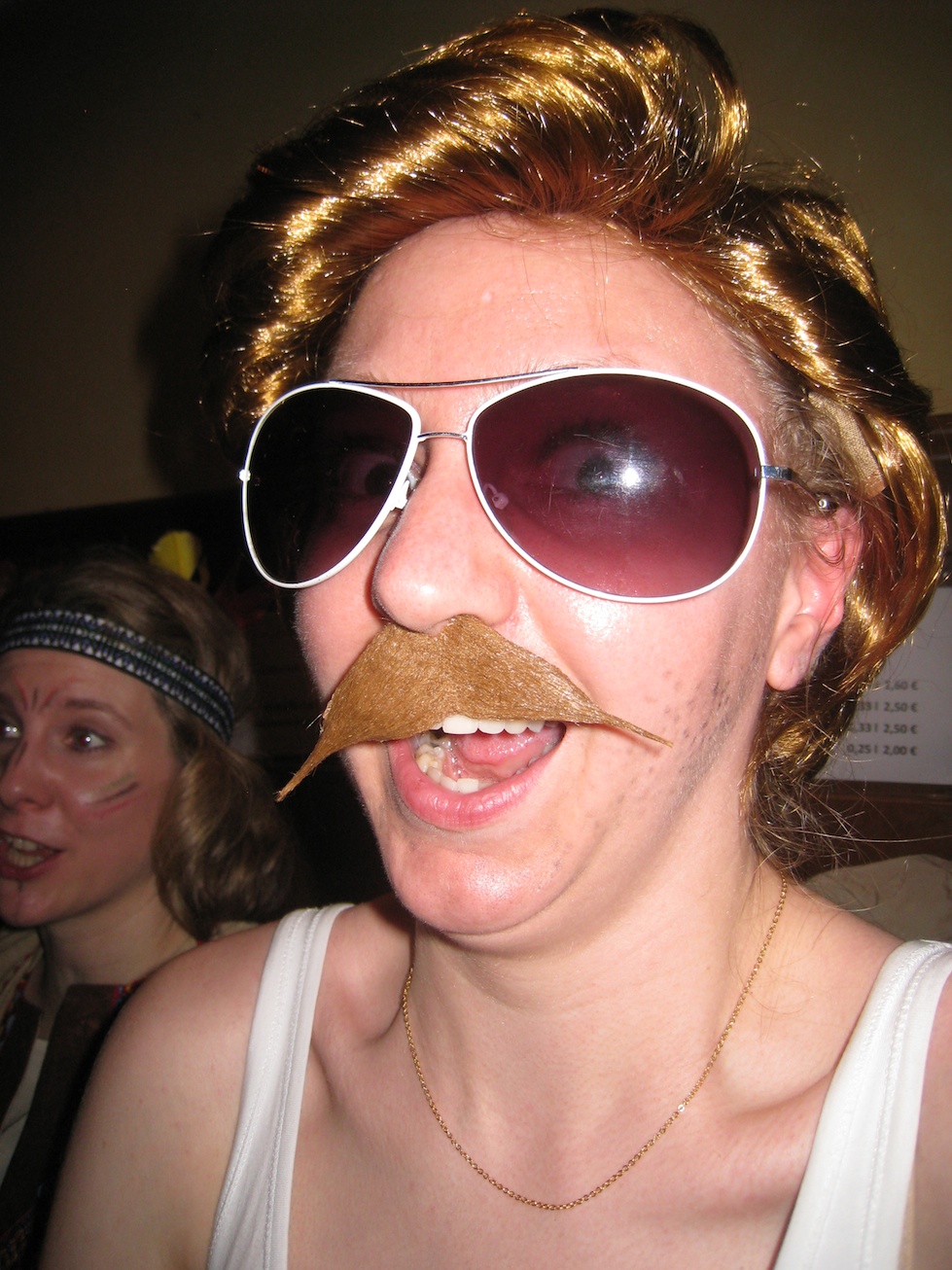
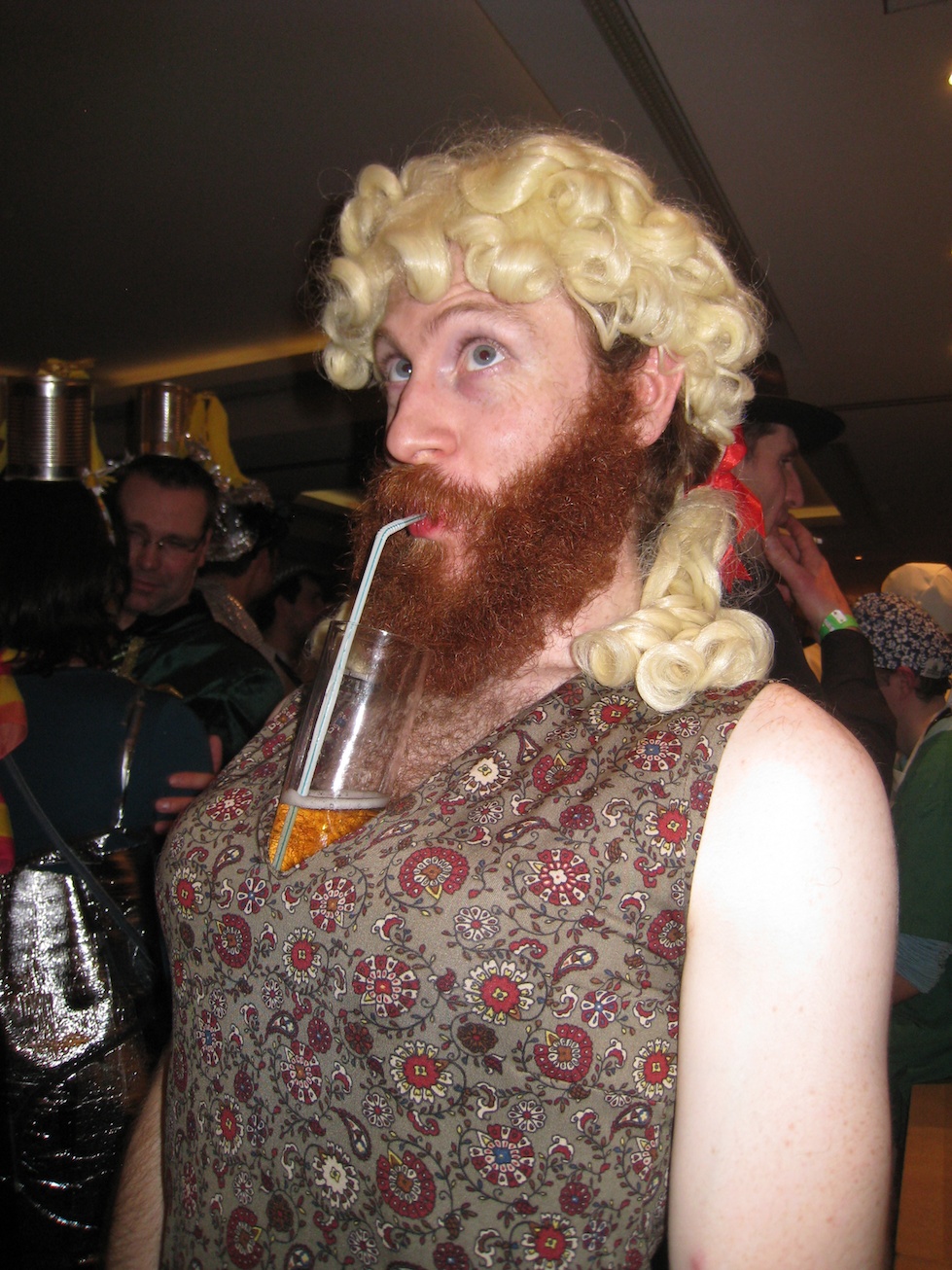
We danced and drank at a Brauhaus Saturday night (in costume, naturally – Meg was a man, I was a woman – don’t ask); Sunday we met up with some old friends for a parade in Sürth, where I grew up (I was a clown, Meg was some sort of rat princess); Monday is “Rosenmontag” (Rose Monday/Shrove Monday) and is the biggest day of German Karneval- we went to the big parade in the nearby town of Bonn, former capital of West Germany (I was burned out, Meg was a tree); Tuesday we actually got to be in a parade- we were part of the last float in a neighborhood parade in the “Südstadt” of Cologne (I was some sort of Elizabethan Viking, Meg was a tree again).
As they say in Kölsch (a dialect spoken only around Cologne) – “Alaaf!

Catalunya is not Spain!

A couple weeks ago we decided to quit the negative-fifteen-degree frigidity of Berlin for sunny, significantly warmer Barcelona! Barcelona is in the northeast of Spain – an area known as Catalunya (Catalonia) – and the Catalunyans have a fierce pride for their region (the title of this post is a popular refrain throughout Catalunya).
We took a walking tour through the old (read: really old) city and Jewish Quarter, and visited the Barcelona History Museum, the highlight of which is an extensive Roman ruin excavation well below street-level, including textile dyeing rooms, public baths, a wine factory, and a fishery. A second walking tour took us through the Barcelona of Gaudí: Palau Güell, Casa Batlló, Casa Milà, the Sagrada Familia (the gigantic cathedral that Gaudí started in 1883 when he was 31, and won’t be complete for at least another 25 years), and sprawling, terraced Park Güell. We took a day to visit Montserrat, a multi-peaked mountain an hour north of the city: home to a Benedictine monastery and hiking trails that wind around the peaks to various shrines, chapels, hermitages, and breathtaking views. On our last two days, Barcelona celebrated the feast day of Saint Eulalia, with light shows throughout the city at night, parades of Gigantes (massive, hollow costumed figures with papier maché heads), and contests for the best-executed castell, a human tower traditional to Catalan festivals. Topped off with an FC Barcelona/Valencia CF football game at a local bar and amazing tapas and wine, this was a much-needed break from dreary midwinter!